
Navigating the dynamic world of startups requires a robust and adaptable business strategy. From defining your core value proposition and understanding your competitive landscape to securing funding and scaling operations, the journey demands careful planning and execution. This guide provides a framework for startups to develop a comprehensive strategy that fosters growth, sustainability, and long-term success.
We’ll explore key aspects, including market analysis, business model development, financial projections, marketing and sales strategies, operational efficiency, ethical considerations, and the crucial role of mentorship and business development. Each element is interconnected, forming a holistic approach to building a thriving and resilient startup.
Funding and Financial Projections
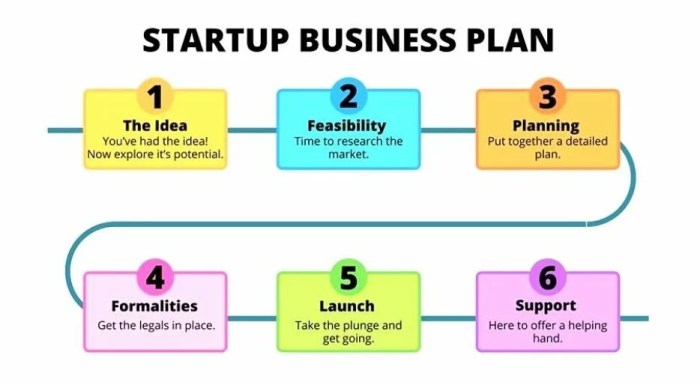
Securing funding and creating accurate financial projections are critical for startup success. A well-defined financial forecast demonstrates your understanding of the market, your business model, and your ability to manage resources effectively, attracting investors and securing loans. Conversely, inaccurate projections can lead to misallocation of funds and ultimately, failure. This section will Artikel key aspects of financial planning for seed-stage startups and high-growth potential businesses.
Realistic Financial Forecasting for Seed-Stage Startups
Creating a realistic financial forecast for a seed-stage startup requires a blend of informed optimism and grounded pragmatism. Begin with a detailed understanding of your target market, including its size, demographics, and purchasing behavior. Then, establish realistic sales projections based on market research and your sales strategy. These projections should be supported by concrete data, such as market share estimates and conversion rates.
Next, meticulously detail your operating expenses, including salaries, rent, marketing, and other overhead costs. Remember to incorporate a contingency buffer for unforeseen expenses. A common approach involves creating three scenarios: best-case, most-likely, and worst-case. This provides a range of potential outcomes and helps in making informed decisions. For example, a food truck startup might project sales based on average transaction value, customer traffic estimates, and operating days per week.
Their expense forecast would include food costs, fuel, permits, and staff wages. They could then model scenarios based on varying levels of customer traffic and ingredient price fluctuations.
Funding Options for High-Growth Potential Startups
High-growth potential startups have access to a wider range of funding options compared to their lower-growth counterparts. These options include:
- Angel Investors: High-net-worth individuals who invest their own capital in early-stage companies in exchange for equity.
- Venture Capital (VC): Investment firms that invest in high-growth startups with significant potential for returns. VCs typically invest larger sums than angel investors and often take a more active role in the company’s management.
- Seed Funding: Early-stage funding that helps startups develop a minimum viable product (MVP) and test their business model. This can come from angel investors, accelerators, or incubators.
- Crowdfunding: Raising capital from a large number of individuals through online platforms. This approach can be effective for building brand awareness and generating early customer engagement.
- Grants: Non-repayable funds provided by government agencies or private foundations to support specific initiatives or research.
The choice of funding option depends on various factors, including the stage of the startup, the amount of funding required, and the founder’s willingness to relinquish equity.
Securing Business Loans for Small Businesses
Securing a business loan requires careful preparation and a strong business plan. Lenders assess several key factors, including credit history, business financials, and the strength of the management team. A comprehensive business plan that clearly articulates the business model, market opportunity, and financial projections is essential. Maintaining a strong credit score and demonstrating a history of responsible financial management are also crucial.
Furthermore, providing collateral to secure the loan can significantly improve the chances of approval. Small Business Administration (SBA) loans offer government-backed guarantees, making them a more accessible option for businesses with limited credit history. Understanding the different types of loans available – such as term loans, lines of credit, and equipment financing – and choosing the most suitable option is also vital.
For example, a bakery seeking to expand might apply for an SBA loan to purchase new ovens and expand their production capacity, using existing equipment as collateral.
Burn Rate and Runway in Startup Financing
Burn rate refers to the rate at which a startup spends its cash reserves. Runway, on the other hand, represents the length of time a startup can operate before it runs out of cash. Understanding and managing these two metrics is crucial for sustainable growth. A high burn rate coupled with a short runway can signal financial instability.
Effective management involves carefully tracking expenses, optimizing operational efficiency, and securing sufficient funding to extend the runway. For instance, a software startup with a monthly burn rate of $50,000 and $500,000 in cash reserves has a runway of 10 months. By reducing expenses or securing additional funding, they can extend their runway and provide themselves more time to achieve profitability.
A healthy balance between controlled spending and ambitious growth is key to navigating the early stages of a startup.
Marketing and Sales Strategy
A robust marketing and sales strategy is crucial for any startup, particularly in competitive sectors like health and wellness or B2B software. Effective strategies ensure market penetration, customer acquisition, and ultimately, sustainable growth. This section Artikels key components of such strategies, including marketing plans, sales processes, digital marketing examples, and the importance of CRM.
Marketing Plan for a New Health and Wellness Product
This plan focuses on launching a new line of organic, plant-based protein bars targeting health-conscious millennials and Gen Z consumers. The strategy leverages a multi-channel approach, combining digital marketing with strategic partnerships and influencer collaborations. The key marketing objectives are to build brand awareness, generate leads, and drive sales within the first six months.
Sales Process for a B2B Software Solution
A well-defined sales process is essential for B2B software companies. This example focuses on a cloud-based project management software targeting small and medium-sized businesses (SMBs). The process incorporates several stages, from initial lead generation through to closing the deal and onboarding the client. Each stage has specific activities and metrics to track progress and identify areas for improvement.
The sales team utilizes a combination of inbound and outbound strategies, including content marketing, email outreach, and networking events.
Effective Digital Marketing Campaigns for Startups
Several digital marketing strategies have proven effective for startups with limited budgets. For instance, a social media campaign for a sustainable fashion brand might focus on user-generated content and influencer marketing to build a strong online community and increase brand visibility. Another example could involve a targeted Google Ads campaign for a tech startup, focusing on specific s and demographics to reach potential customers actively searching for similar solutions.
Email marketing remains a powerful tool for nurturing leads and driving conversions, particularly when personalized and segmented based on customer behavior and preferences. A well-structured email sequence can significantly improve conversion rates.
Importance of Customer Relationship Management (CRM) in a Startup Context
A CRM system is invaluable for startups, regardless of size or industry. It centralizes customer data, streamlining communication and improving customer service. This allows for personalized interactions, targeted marketing campaigns, and efficient sales processes. Early adoption of a CRM system fosters data-driven decision-making, leading to improved customer retention and ultimately, increased profitability. For example, a CRM can help identify high-value customers, allowing startups to focus their resources on retaining these key clients.
Furthermore, analyzing customer data within the CRM can reveal valuable insights into customer behavior, preferences, and pain points, enabling startups to refine their products and services and improve customer satisfaction. A simple, user-friendly CRM is ideal for smaller startups, allowing for easy data management and access for all team members.
Operations and Team Management
Efficient operations and a strong team are the cornerstones of a successful tech startup. A well-defined operational framework, coupled with a positive and productive company culture, directly impacts a startup’s ability to scale and achieve its goals. This section Artikels key aspects of managing operations and building a high-performing team.
Operational Processes for a Tech Startup
Establishing clear operational processes is crucial for a tech startup’s efficiency and scalability. These processes should cover all aspects of the business, from product development and customer support to marketing and finance. A well-defined workflow ensures tasks are completed consistently and efficiently, minimizing errors and maximizing productivity. For example, a streamlined development process using Agile methodologies, with clearly defined sprints and deliverables, can significantly improve product development speed and quality.
Similarly, implementing a robust customer relationship management (CRM) system ensures consistent and effective customer interaction, improving customer satisfaction and loyalty. These systems should be documented clearly, and training should be provided to ensure all team members understand their roles and responsibilities.
Building a Strong Team and Company Culture
A strong team and a positive company culture are essential for attracting and retaining top talent, fostering innovation, and driving growth. A well-defined set of company values, clearly communicated and consistently reinforced, forms the foundation of a strong culture. This includes promoting open communication, collaboration, and mutual respect. For example, a startup might prioritize transparency by regularly sharing company updates and performance metrics with the team.
Encouraging employee feedback and implementing mechanisms for addressing concerns demonstrates a commitment to employee well-being and fosters a sense of ownership. Regular team-building activities, both formal and informal, can further strengthen relationships and boost morale. Companies like Google, known for their innovative and employee-centric culture, demonstrate the positive impact of investing in team building and creating a supportive environment.
Effective Delegation and Team Communication
Effective delegation and communication are vital for maximizing team productivity and ensuring everyone is working towards shared goals. Delegation involves assigning tasks to team members based on their skills and experience, providing clear instructions and expectations, and setting realistic deadlines. Regular check-ins and feedback sessions help track progress and address any challenges. Effective communication channels, such as daily stand-up meetings, project management software, and regular team meetings, ensure information flows smoothly and everyone is informed.
Using tools like Slack or Microsoft Teams facilitates quick communication and collaboration, while project management tools like Asana or Trello help track progress and manage deadlines effectively.
Effective Performance Management Strategies
Effective performance management involves setting clear expectations, providing regular feedback, and conducting performance reviews. Setting specific, measurable, achievable, relevant, and time-bound (SMART) goals ensures everyone understands their responsibilities and how their performance will be evaluated. Regular one-on-one meetings provide opportunities for feedback, addressing concerns, and tracking progress. Performance reviews should be comprehensive, focusing on both accomplishments and areas for improvement.
These reviews should be constructive and focused on helping employees grow and develop. A 360-degree feedback system, where employees receive feedback from peers, managers, and even clients, can provide a more holistic view of their performance. This approach, while requiring more effort, can lead to more accurate and comprehensive assessments. Furthermore, linking performance reviews to compensation and promotion opportunities reinforces the importance of achieving goals and exceeding expectations.
Business Ethics and Social Responsibility
Building a successful startup requires more than just a great product and a solid business plan; it demands a strong ethical foundation and a commitment to social responsibility. Ethical considerations are not merely an add-on but integral to long-term viability and sustainable growth. Ignoring ethical implications can lead to significant reputational damage, legal issues, and ultimately, business failure.
A commitment to ethical practices and social responsibility, however, fosters trust with customers, employees, and investors, creating a positive brand image and a more resilient business.Ethical considerations are paramount in all aspects of a startup’s development, from product design and manufacturing to marketing and customer service. Transparency, fairness, and accountability should be guiding principles throughout the entire business lifecycle.
Furthermore, a proactive approach to social responsibility can differentiate a startup in a crowded marketplace, attracting talent and customers who value ethical business practices.
The Importance of Ethical Considerations in Startup Development
Ethical considerations are fundamental to building a sustainable and successful startup. They build trust with stakeholders, fostering long-term relationships crucial for growth. Ethical lapses, on the other hand, can severely damage a company’s reputation, leading to boycotts, legal challenges, and ultimately, financial losses. For instance, a data breach resulting from inadequate data security measures could not only lead to significant fines but also irreparable damage to customer trust.
Conversely, startups known for their ethical practices often enjoy increased customer loyalty and attract top talent who are eager to work for a company that aligns with their values. This translates into a more engaged workforce and a stronger competitive advantage.
Impact of Social Responsibility Initiatives on Brand Image
A company’s commitment to social responsibility significantly influences its brand image. Consumers are increasingly conscious of the ethical and social impact of their purchasing decisions, favoring businesses that demonstrate a commitment to sustainability, fair labor practices, and community engagement. Positive social responsibility initiatives can enhance a startup’s reputation, creating a strong brand identity that resonates with target audiences.
For example, Patagonia’s commitment to environmental sustainability has become a core element of its brand identity, attracting customers who share its values. This approach not only boosts sales but also fosters brand loyalty and enhances the company’s overall reputation. Conversely, companies implicated in unethical practices, such as sweatshop labor or environmental damage, often face significant reputational damage and consumer backlash.
Examples of Ethical Dilemmas Faced by Startups and Their Resolution
Startups frequently encounter ethical dilemmas, particularly concerning data privacy, intellectual property, and fair competition. One common dilemma involves the collection and use of user data. Balancing the need for data to improve products and services with the ethical obligation to protect user privacy requires careful consideration and robust data security measures. Another challenge might involve the temptation to cut corners on product quality or safety to reduce costs, which can have serious consequences.
Addressing these dilemmas requires establishing clear ethical guidelines, conducting thorough risk assessments, and prioritizing transparency and accountability. For example, a startup developing a health app needs to prioritize user data privacy by adhering to regulations like HIPAA and GDPR, while transparently informing users about data collection and usage practices. Similarly, a startup developing a new technology must prioritize safety and thoroughly test its product to avoid potential harm to consumers.
A Corporate Social Responsibility (CSR) Plan for a New Technology Startup
A sample CSR plan for a new technology startup could focus on several key areas. First, environmental sustainability could be addressed by implementing energy-efficient practices in the office and choosing eco-friendly suppliers. Second, ethical sourcing and fair labor practices throughout the supply chain are crucial. Third, the startup could invest in employee development and well-being programs, promoting diversity and inclusion within the workplace.
Fourth, community engagement could be fostered through partnerships with local organizations or initiatives that align with the startup’s mission and values. Finally, data privacy and security should be a top priority, with transparent policies and robust security measures to protect user information. This comprehensive approach would not only enhance the startup’s brand image but also create a positive impact on society and the environment.
Business Coaching and Mentorship
Navigating the complexities of starting and growing a business can be incredibly challenging. The right guidance can significantly increase a startup’s chances of success, and this is where business coaching and mentorship play a crucial role. They offer invaluable support, expertise, and a fresh perspective, helping founders overcome obstacles and achieve their goals.The benefits of seeking business coaching and mentorship are numerous and impactful, extending beyond simple advice to encompass strategic guidance and personal development.
Access to experienced professionals provides startups with a competitive edge, accelerating growth and minimizing potential pitfalls.
Benefits of Business Coaching for Startup Founders
Business coaching provides startups with a structured approach to problem-solving and strategic planning. Coaches offer personalized guidance tailored to the specific needs of the business, helping founders identify and address critical areas for improvement. This can range from refining business models and improving operational efficiency to enhancing leadership skills and fostering a positive work environment. A coach acts as an objective advisor, offering a fresh perspective and challenging assumptions to help founders make more informed decisions.
This external viewpoint is often invaluable in identifying blind spots and mitigating potential risks. Ultimately, coaching fosters faster growth, increased profitability, and improved overall business performance.
The Role of a Mentor in Guiding a Startup’s Growth
Mentors provide a different type of support, often focusing on long-term strategic direction and navigating the challenges unique to the startup ecosystem. Unlike coaches who may focus on specific skills or tactics, mentors often leverage their extensive experience to provide guidance on broader issues such as fundraising, market positioning, and scaling the business. They serve as sounding boards, offering valuable insights and advice based on their past successes and failures.
Mentors often establish a long-term relationship with the startup founder, providing ongoing support and encouragement throughout the journey. This sustained guidance can be particularly crucial during periods of uncertainty or rapid growth. A mentor’s network can also open doors to valuable opportunities, such as introductions to potential investors or strategic partners.
Key Qualities of an Effective Business Coach
An effective business coach possesses a blend of professional expertise and personal qualities that enable them to effectively guide and support startup founders. These qualities include: extensive business experience in a relevant field; proven track record of success; strong communication and interpersonal skills; ability to actively listen and provide constructive feedback; capacity to adapt their coaching style to the individual needs of the client; and a commitment to fostering a collaborative and supportive relationship.
Additionally, an effective coach understands the unique challenges faced by startups and possesses the ability to help founders overcome these obstacles. They should also be empathetic, understanding the emotional toll that entrepreneurship can take.
Examples of Successful Mentorship Programs for Startups
Many organizations offer successful mentorship programs designed to support startups. For example, the Founder Institute, a global startup accelerator, provides access to a vast network of mentors who offer guidance and support to entrepreneurs throughout the program. Similarly, many incubators and accelerators, such as Y Combinator and Techstars, incorporate mentorship as a core component of their programs, pairing startups with experienced entrepreneurs and industry experts.
These programs often provide structured mentorship sessions, workshops, and networking opportunities that help startups gain access to invaluable resources and support. Beyond formal programs, many organizations and individual mentors offer guidance through informal networks and relationships, demonstrating the widespread recognition of mentorship’s crucial role in startup success. The success of these programs hinges on the careful matching of mentors and mentees, ensuring compatibility in terms of industry experience, business stage, and personal dynamics.
Building a successful startup is a challenging but rewarding endeavor. By meticulously crafting a business strategy that addresses the core elements discussed—from defining your value proposition to scaling operations and fostering ethical practices—you significantly increase your chances of achieving sustainable growth. Remember, consistent adaptation and a commitment to learning are vital for navigating the ever-evolving startup ecosystem.
Popular Questions
What is the lean startup methodology?
The Lean Startup methodology emphasizes building a Minimum Viable Product (MVP) to test assumptions and iterate quickly based on customer feedback, minimizing wasted resources.
How important is networking for startups?
Networking is crucial for startups to build relationships with investors, mentors, potential customers, and partners, opening doors to funding, advice, and collaboration opportunities.
What are some common startup failure reasons?
Common reasons include lack of market need, insufficient funding, poor team dynamics, ineffective marketing, and failure to adapt to changing market conditions.
How can a startup protect its intellectual property?
Startups should consider patents, trademarks, and copyrights to protect their innovations and brand identity. Seeking legal counsel is recommended.


