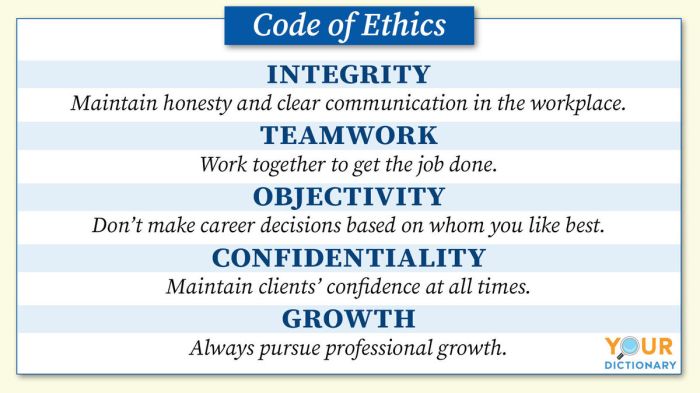
The landscape of business ethics is rapidly evolving in 2024, shaped by societal shifts, technological advancements, and global events. Increased stakeholder scrutiny demands a proactive approach to ethical conduct, moving beyond mere compliance to a genuine commitment to social responsibility. This exploration delves into the key challenges and opportunities businesses face in navigating this complex terrain, examining the interplay between ethical considerations and strategic decision-making.
From the influence of artificial intelligence and blockchain technology on business practices to the growing importance of Environmental, Social, and Governance (ESG) factors, the discussion encompasses a wide range of issues. We will explore how ethical leadership, robust compliance programs, and sustainable business models are crucial for long-term success and building trust with stakeholders. The analysis will also consider the ethical implications of various business activities, such as lending practices and business travel.
Evolving Landscape of Business Ethics in 2024
The landscape of business ethics is in constant flux, shaped by evolving societal expectations, technological advancements, and global events. 2024 presents a particularly dynamic environment, demanding a proactive and adaptable approach from businesses across all sectors. Understanding these shifts is crucial for maintaining ethical integrity and long-term sustainability.
Societal Expectations and Business Ethics Since 2020
Since 2020, societal expectations regarding business ethics have undergone a significant transformation. The COVID-19 pandemic highlighted existing inequalities and vulnerabilities, intensifying public scrutiny of corporate actions. Increased awareness of social and environmental issues, fueled by social media and activist movements, has led to a greater demand for transparency, accountability, and purpose-driven businesses. Consumers are increasingly prioritizing ethical brands, demonstrating a willingness to support companies aligned with their values.
This shift is pushing businesses to move beyond mere compliance with regulations towards a more holistic approach that considers the broader social and environmental impact of their operations. For example, the demand for sustainable and ethically sourced products has skyrocketed, forcing companies to re-evaluate their supply chains and production methods.
Impact of Emerging Technologies on Ethical Business Practices
The rise of artificial intelligence (AI) and blockchain technology presents both opportunities and challenges for ethical business practices. AI algorithms, while capable of automating processes and improving efficiency, can also perpetuate existing biases and create new ethical dilemmas concerning data privacy, algorithmic transparency, and job displacement. The use of AI in decision-making processes necessitates careful consideration of fairness, accountability, and human oversight.
Blockchain technology, with its inherent transparency and immutability, offers potential for enhancing trust and traceability in supply chains and financial transactions. However, it also raises concerns about data security, regulatory oversight, and the potential for misuse in illicit activities. Companies must proactively address these challenges by developing robust ethical frameworks and implementing responsible AI and blockchain governance strategies. For instance, the development of explainable AI (XAI) systems aims to improve transparency and accountability in AI decision-making.
Geopolitical Events and Ethical Considerations
Geopolitical events significantly influence ethical considerations for businesses. The ongoing war in Ukraine, for example, has raised questions about corporate responsibility in conflict zones, including supply chain disruptions, human rights violations, and the ethical implications of doing business with entities linked to conflict. Increasing trade tensions and protectionist policies also impact ethical decision-making, requiring businesses to navigate complex regulatory landscapes and consider the social and economic consequences of their actions.
Furthermore, the growing focus on national security and data sovereignty necessitates businesses to re-evaluate their data handling practices and comply with evolving international regulations. Companies operating globally must adopt a nuanced approach, prioritizing ethical considerations alongside business objectives, and adapting their strategies to the specific context of each region.
Ethical Dilemmas Across Sectors
| Sector | Dilemma | Impact | Potential Solutions |
|---|---|---|---|
| Technology | Data privacy and security breaches | Loss of consumer trust, legal penalties, reputational damage | Robust data protection measures, transparent data handling policies, investment in cybersecurity |
| Finance | Algorithmic bias in lending and investment decisions | Exacerbation of existing inequalities, unfair access to financial services | Development of bias-mitigation techniques, independent audits of algorithms, diverse and inclusive teams |
| Healthcare | Access to healthcare and affordability of treatments | Health disparities, financial burden on patients, ethical dilemmas in resource allocation | Pricing transparency, affordable care initiatives, equitable distribution of resources |
| Manufacturing | Ethical sourcing and labor practices in global supply chains | Human rights violations, environmental damage, reputational risk | Third-party audits, fair trade practices, transparent supply chain mapping |
ESG (Environmental, Social, and Governance) Factors and Business Success
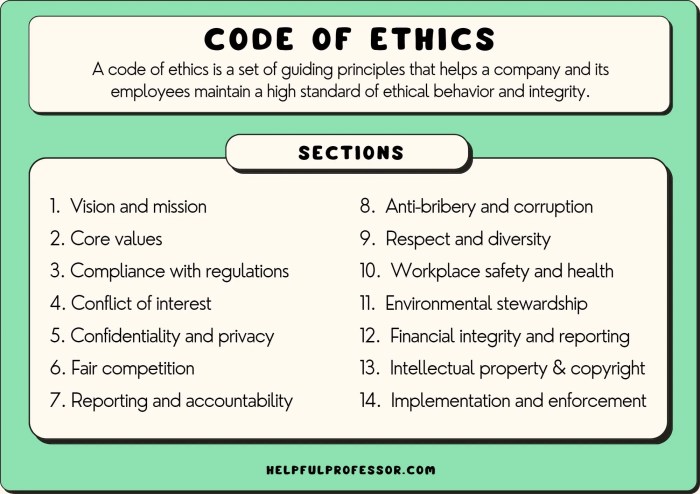
The integration of Environmental, Social, and Governance (ESG) factors into business strategies is no longer a niche trend but a critical driver of long-term success. Growing awareness of climate change, social inequalities, and corporate governance failures has spurred increased scrutiny from investors, consumers, and regulators, placing ESG at the forefront of business decision-making in 2024. Companies that prioritize ESG are increasingly recognized for their resilience, innovation, and ability to attract and retain both talent and investment.ESG reporting is becoming increasingly vital for attracting investors who are increasingly incorporating ESG considerations into their investment strategies.
This shift is driven by a growing understanding that strong ESG performance is correlated with better financial performance and reduced risk. Transparent and comprehensive ESG reporting allows investors to assess a company’s commitment to sustainability and responsible business practices, influencing their investment decisions significantly. Investors are not only considering financial returns but also the societal and environmental impact of their investments.
The Business Benefits of ESG Integration
Integrating ESG principles into core business strategies offers numerous benefits beyond simply enhancing a company’s reputation. By proactively addressing environmental challenges, promoting social equity, and improving governance structures, businesses can unlock opportunities for innovation, cost reduction, and enhanced operational efficiency. For example, investing in renewable energy sources can lower operational costs and reduce carbon footprint simultaneously, attracting environmentally conscious consumers.
Furthermore, fostering a diverse and inclusive workplace can lead to improved employee morale, creativity, and productivity. Strong governance practices minimize risks associated with fraud, corruption, and regulatory violations, strengthening investor confidence and protecting the company’s reputation.
Examples of Successful ESG Initiatives
Unilever, a global consumer goods company, has demonstrated a strong commitment to ESG through its Unilever Sustainable Living Plan. This initiative focuses on improving health and well-being, reducing environmental impact, and enhancing livelihoods. The company’s commitment to sustainable sourcing, reducing its carbon footprint, and promoting social inclusion has positively impacted its brand reputation, attracted talent, and driven growth.
Similarly, Patagonia, an outdoor apparel company, has long been a leader in environmental sustainability, implementing initiatives such as using recycled materials, supporting environmental conservation efforts, and promoting fair labor practices. These efforts have resonated strongly with consumers, contributing to the company’s success and brand loyalty.
Relevant ESG Metrics for Businesses
The importance of measuring and tracking ESG performance cannot be overstated. Different metrics are relevant depending on the size and industry of a business. However, a comprehensive approach typically includes a range of indicators.The selection of relevant ESG metrics should be tailored to the specific context of the business, its industry, and its materiality assessment. It is crucial to focus on metrics that are both meaningful and measurable, allowing for consistent monitoring and improvement over time.
- Large Corporations: Carbon emissions (Scope 1, 2, and 3), renewable energy usage, water consumption, waste generation, diversity and inclusion metrics (e.g., gender pay gap, representation at leadership levels), employee satisfaction scores, community investment, bribery and corruption incidents, board diversity.
- Small and Medium-Sized Enterprises (SMEs): Energy efficiency improvements, waste reduction initiatives, employee engagement and training programs, local sourcing and partnerships, ethical supply chain practices.
- Startups: Sustainable product design, ethical sourcing of materials, commitment to fair labor practices, transparent governance structure.
The Role of Business Leadership in Promoting Ethical Conduct
Business leaders are not merely responsible for profits; they are the architects of a company’s ethical foundation. Their actions, decisions, and the culture they cultivate profoundly impact employee behavior, stakeholder trust, and ultimately, long-term success. In 2024, this role is more critical than ever, given the increasing scrutiny of corporate social responsibility and the demand for transparency.The responsibilities of business leaders in fostering a culture of ethical behavior extend far beyond compliance with legal regulations.
They must actively champion ethical principles, leading by example and setting clear expectations for conduct at all levels of the organization. This includes establishing a robust ethical framework, providing regular ethical training, and creating mechanisms for reporting and addressing ethical violations. Furthermore, leaders must create a psychologically safe environment where employees feel comfortable raising concerns without fear of retribution.
This proactive approach is crucial in preventing ethical lapses and fostering a culture of integrity.
Transparent Communication and Accountability in Building Stakeholder Trust
Transparent communication is the cornerstone of building and maintaining trust with stakeholders. This involves openly communicating the company’s ethical values, policies, and performance, both internally and externally. Regular reporting on ESG performance, for instance, demonstrates a commitment to transparency and accountability. When ethical violations occur, leaders must respond swiftly and decisively, communicating openly about the situation and the steps taken to address it.
Hiding information or downplaying ethical failures erodes trust and can lead to significant reputational damage, as seen in several high-profile corporate scandals. Accountability, both individual and organizational, is paramount in demonstrating a genuine commitment to ethical conduct. This includes holding individuals responsible for their actions and implementing effective corrective measures to prevent future occurrences. For example, a company might implement stricter internal controls or enhance its ethics training program following an ethical breach.
A Hypothetical Leadership Training Program Focused on Ethical Decision-Making
A comprehensive leadership training program focused on ethical decision-making should incorporate several key components. The program could begin with a module on identifying ethical dilemmas and understanding the relevant ethical frameworks, such as utilitarianism, deontology, and virtue ethics. Subsequent modules would cover practical tools and techniques for ethical decision-making, including scenario-based exercises and case studies of real-world ethical challenges faced by businesses.
Role-playing simulations would allow participants to practice navigating complex ethical situations and develop effective communication strategies. Finally, the program should emphasize the importance of seeking diverse perspectives and considering the potential impact of decisions on all stakeholders. This program could be delivered through a blended learning approach, combining online modules with in-person workshops and coaching sessions. The program’s effectiveness should be evaluated through pre- and post-training assessments, measuring participants’ understanding of ethical frameworks and their ability to apply these frameworks in practical scenarios.
Best Practices for Creating an Effective Ethics Compliance Program
An effective ethics compliance program requires a multi-faceted approach. First, a clear and concise code of ethics should be developed and communicated to all employees. This code should articulate the company’s ethical values and provide guidance on navigating common ethical dilemmas. Second, a robust reporting mechanism should be established, ensuring employees can report ethical violations anonymously and without fear of reprisal.
This could involve a dedicated ethics hotline, an online reporting system, or a combination of both. Third, a clear process for investigating and addressing ethical violations should be implemented. This process should be fair, impartial, and consistent, ensuring appropriate disciplinary actions are taken against those who violate the code of ethics. Disciplinary actions might range from verbal warnings to termination, depending on the severity of the violation.
Finally, regular ethics training should be provided to all employees, reinforcing the importance of ethical conduct and familiarizing them with the company’s code of ethics and reporting procedures. The effectiveness of the program should be regularly reviewed and updated to reflect changes in the business environment and legal landscape.
The Intersection of Business Development and Ethics
Ethical considerations are no longer peripheral to business development; they are integral to its success. Integrating ethical practices into every stage of business development, from initial strategy to final implementation, fosters trust, enhances reputation, and ultimately drives sustainable growth. Ignoring ethical considerations, on the other hand, can lead to significant short-term and long-term consequences, damaging a company’s reputation and eroding its market position.Ethical considerations inform business development strategies by guiding decision-making processes towards responsible and sustainable outcomes.
This involves considering the impact of business operations on stakeholders, including employees, customers, communities, and the environment. A commitment to ethical business development ensures that growth is achieved in a manner that respects human rights, upholds environmental standards, and contributes positively to society.
Ethical and Unethical Business Development Practices
Ethical business development prioritizes transparency, fairness, and accountability in all interactions. It involves conducting thorough due diligence, respecting intellectual property rights, and avoiding exploitative labor practices. For example, a company might choose to source materials from suppliers who adhere to fair trade principles, ensuring workers receive fair wages and work in safe conditions. This contrasts sharply with unethical practices such as engaging in bribery to secure contracts, manipulating market data to gain an unfair advantage, or exploiting loopholes in environmental regulations to minimize costs.
The 2010 BP Deepwater Horizon oil spill serves as a stark reminder of the devastating consequences of prioritizing profit over safety and environmental responsibility. The resulting environmental damage, loss of life, and reputational harm cost BP billions of dollars and severely damaged its brand image.
Potential Conflicts of Interest in Business Development and Their Resolution
Conflicts of interest can arise in various aspects of business development, often involving competing interests between personal gain and the best interests of the company. For instance, a business development manager might be tempted to favor a supplier with whom they have a personal relationship, even if that supplier offers inferior products or higher prices. Another example could involve accepting gifts or favors from potential clients in exchange for preferential treatment.
To mitigate these risks, companies should implement robust conflict-of-interest policies that require disclosure of potential conflicts, establish clear guidelines for decision-making, and provide mechanisms for reporting and investigating potential violations. Independent oversight and regular audits can also help ensure adherence to ethical standards.
Long-Term Impact of Ethical Business Development on Brand Reputation and Customer Loyalty
Ethical business practices cultivate a strong brand reputation and foster customer loyalty. Consumers are increasingly aware of corporate social responsibility and are more likely to support companies that demonstrate a commitment to ethical conduct. Building trust through transparency and ethical behavior fosters long-term relationships with customers, who are more likely to remain loyal to brands they perceive as responsible and trustworthy.
Conversely, unethical practices can lead to boycotts, reputational damage, and significant financial losses. Companies with a strong ethical foundation are better positioned to weather crises, attract and retain top talent, and achieve sustainable growth in the long run. Companies like Patagonia, known for their commitment to environmental sustainability and ethical labor practices, have built strong brand loyalty and achieved significant market success as a result.
Business Coaching and Ethical Leadership Development
Business coaching plays a crucial role in fostering ethical leadership within organizations. By providing individualized guidance and support, coaches help leaders identify and address ethical challenges, strengthen their moral compass, and cultivate a culture of integrity. This approach is particularly vital in today’s complex business environment, where ethical lapses can have significant consequences.Effective business coaching programs focused on ethics utilize a multifaceted approach.
They move beyond simply outlining ethical codes and instead emphasize practical application and skill development.
Key Elements of an Effective Ethical Leadership Coaching Program
A successful ethical leadership coaching program incorporates several key elements. These elements work synergistically to build ethical awareness, decision-making skills, and a commitment to responsible leadership. A strong program includes regular coaching sessions, customized action plans, and ongoing evaluation to ensure the leader’s progress and growth in ethical decision-making. It also includes a focus on self-reflection and the development of emotional intelligence, both crucial for navigating complex ethical dilemmas.
Finally, the program must integrate ethical considerations into the broader leadership development framework of the organization, ensuring consistency and reinforcement.
Ethical Dilemmas Addressed Through Business Coaching Interventions
Business coaching interventions can effectively address a wide range of ethical dilemmas. For example, a coach might work with a leader struggling with a conflict of interest, guiding them through a process of identifying potential biases, evaluating options, and making a decision that aligns with ethical principles and company policies. Another common scenario involves navigating difficult conversations about ethical violations within the team, where the coach helps the leader to address the situation fairly, transparently, and in a manner that supports both the individual and the organization.
Furthermore, situations involving the pressure to compromise ethical standards for short-term gains can be explored and resolved with the guidance of a business coach, emphasizing the long-term implications of such choices.
Integrating Ethical Considerations into Business Coaching Methodologies
Integrating ethical considerations into existing business coaching methodologies requires a systematic approach.
- Assessment and Goal Setting: Begin by assessing the leader’s current ethical awareness, values, and decision-making processes. Establish clear goals for ethical leadership development, aligning them with the organization’s ethical framework and strategic objectives.
- Curriculum Development: Develop a tailored curriculum that addresses key ethical concepts, including corporate social responsibility, stakeholder engagement, and ethical decision-making frameworks such as utilitarianism or deontology. Case studies and role-playing exercises can enhance practical application.
- Coaching Sessions: Conduct regular coaching sessions focused on specific ethical challenges and opportunities. Use reflective questioning techniques to encourage self-awareness and critical thinking. Explore real-life scenarios, helping the leader to analyze ethical dimensions and develop appropriate responses.
- Action Planning and Implementation: Collaboratively develop action plans that Artikel concrete steps to improve ethical conduct and promote ethical decision-making within the organization. Regularly monitor progress and provide feedback.
- Evaluation and Refinement: Continuously evaluate the effectiveness of the coaching program and make adjustments as needed. Gather feedback from the leader and other stakeholders to ensure ongoing relevance and impact.
Financial Considerations
The ethical provision of business loans is paramount to a healthy and equitable economy. Responsible lending practices not only protect borrowers from undue hardship but also contribute to the long-term stability of financial institutions and the overall economic landscape. Unethical lending, conversely, can have devastating consequences for individuals and businesses, undermining trust and fostering systemic instability.Responsible lending practices require a careful consideration of the borrower’s ability to repay the loan, transparency in loan terms, and fair treatment throughout the lending process.
This involves a thorough assessment of the borrower’s financial situation, including income, expenses, and credit history, to ensure the loan amount is appropriate and manageable. Ignoring these factors can lead to borrowers defaulting on their loans, resulting in financial losses for the lender and significant hardship for the borrower.
Ethical Implications of Business Loans
Providing business loans involves a significant ethical responsibility. Lenders must carefully assess the viability of the borrower’s business plan, considering factors such as market demand, competition, and management expertise. Overlooking these crucial aspects can lead to loans being granted to businesses with little chance of success, ultimately resulting in loan defaults and financial losses for the lender. Conversely, rejecting a loan application from a viable business due to biases or discriminatory practices is also unethical and can stifle economic growth.
A balanced approach, combining rigorous due diligence with a commitment to fairness and inclusivity, is essential.
Risks Associated with Unethical Lending Practices
Unethical lending practices carry substantial risks. Predatory lending, characterized by excessively high interest rates, hidden fees, and aggressive collection tactics, can trap borrowers in a cycle of debt. This not only harms individuals and businesses but also damages the reputation of the lender and erodes public trust in the financial system. Furthermore, such practices can lead to legal challenges, fines, and reputational damage, impacting the lender’s profitability and sustainability.
Examples include subprime mortgage lending leading to the 2008 financial crisis, highlighting the systemic risk associated with irresponsible lending.
Comparison of Responsible and Irresponsible Lending Approaches
Responsible lending prioritizes a thorough assessment of the borrower’s financial capacity, transparent loan terms, and fair treatment throughout the loan process. This often involves offering financial literacy resources and counseling to borrowers to help them understand their obligations and manage their finances effectively. In contrast, irresponsible lending practices prioritize profit maximization over borrower well-being, often involving high-risk loans with unfavorable terms and aggressive collection methods.
The impact on borrowers is starkly different: responsible lending empowers borrowers to succeed, while irresponsible lending can lead to financial ruin. The long-term consequences for lenders also differ significantly, with responsible lending fostering trust and sustainability, while irresponsible lending leads to reputational damage and potential legal repercussions.
Best Practices for Fair and Transparent Loan Applications
Ensuring fairness and transparency in business loan applications and approvals involves several best practices. These include clear and concise loan application forms, transparent disclosure of all fees and interest rates, a standardized and unbiased evaluation process, and readily available resources for borrowers to understand the loan terms and their rights. Implementing robust internal controls to prevent bias and discrimination is also crucial.
Regular audits and compliance checks can help maintain ethical standards and identify potential areas for improvement. Finally, fostering open communication with borrowers throughout the loan process promotes trust and understanding.
Business Models and Ethical Sustainability
The integration of ethical and sustainable practices into core business models is no longer a niche strategy; it’s becoming a necessity for long-term success. Consumers are increasingly demanding transparency and accountability from the companies they support, and investors are recognizing the financial benefits of ESG (Environmental, Social, and Governance) performance. This section explores how different business models prioritize ethical sustainability and the competitive advantages this approach offers.Businesses are increasingly adopting models that explicitly incorporate ethical and sustainable practices into their core operations.
This shift reflects a growing awareness of the interconnectedness between business success and societal well-being, and a recognition that long-term value creation requires a holistic approach that considers environmental and social impacts.
B Corporations and Social Enterprises: Defining Characteristics
B Corporations (B Corps) and social enterprises represent distinct but related approaches to integrating ethical and sustainable practices. B Corps are for-profit companies certified by the nonprofit B Lab to meet rigorous standards of social and environmental performance, accountability, and transparency. Social enterprises, on the other hand, prioritize social or environmental missions alongside profit generation. While B Corps focus on meeting specific certification standards, social enterprises have more flexibility in their structure and approach.
Both models, however, share a common commitment to creating positive social and environmental impact.
Long-Term Viability and Competitive Advantages of Ethical Business Models
Ethical business models, while potentially requiring higher upfront investment in sustainable practices, often demonstrate superior long-term viability and competitive advantages. Strong ESG performance can enhance brand reputation and customer loyalty, leading to increased sales and market share. Furthermore, attracting and retaining top talent becomes easier when a company is demonstrably committed to ethical and sustainable practices. Reduced operational costs through efficient resource management and waste reduction also contribute to long-term profitability.
Finally, investors increasingly favor companies with strong ESG profiles, leading to greater access to capital. Patagonia, with its commitment to environmental conservation and fair labor practices, exemplifies this long-term success.
Examples of Successful Integration of Sustainability
Several companies have successfully integrated sustainability into their core business models, achieving both financial success and positive social and environmental impact. Patagonia, for example, has built its brand around environmental activism and sustainable practices, using recycled materials and advocating for environmental protection. Unilever, a multinational consumer goods company, has set ambitious sustainability goals across its operations, focusing on reducing its environmental footprint and promoting sustainable sourcing.
These companies demonstrate that ethical and sustainable practices are not mutually exclusive with profitability, but rather can be significant drivers of long-term success.
Attracting and Retaining Talent through Ethical Business Models
A strong commitment to ethical and sustainable practices is increasingly crucial for attracting and retaining top talent. Millennials and Gen Z, in particular, are more likely to seek employment with companies that align with their values. By demonstrating a commitment to social and environmental responsibility, businesses can attract a wider pool of skilled and motivated employees, reduce employee turnover, and improve overall employee morale and productivity.
Companies known for their strong ethical cultures often experience lower recruitment costs and higher employee retention rates, contributing to long-term cost savings.
Business Strategy and Ethical Decision-Making
Integrating ethical considerations into business strategy is no longer a matter of optional compliance; it’s a crucial element of long-term success. A robust ethical framework enhances a company’s reputation, attracts and retains talent, and fosters trust with stakeholders. Ignoring ethical implications can lead to significant financial and reputational damage.Ethical considerations should be interwoven into every stage of strategic planning, from initial vision setting to implementation and evaluation.
This proactive approach helps ensure that ethical principles guide decision-making at all levels, minimizing the potential for conflicts and maximizing opportunities for sustainable growth. This involves actively identifying potential ethical dilemmas, assessing risks, and developing mitigation strategies.
Ethical Integration into Strategic Planning and Decision-Making Processes
A successful integration of ethics into strategic planning requires a multi-faceted approach. It starts with establishing a clear code of ethics that informs all business activities. This code should be more than just a document; it needs to be embedded in the company culture through training, leadership commitment, and consistent enforcement. Furthermore, ethical considerations should be explicitly incorporated into key performance indicators (KPIs) and performance reviews.
This ensures that ethical conduct is not just expected, but also actively rewarded and incentivized. Regular ethical audits and risk assessments can further identify and address potential issues proactively. Finally, mechanisms for reporting ethical violations must be in place, ensuring transparency and accountability.
Potential Risks and Opportunities Associated with Ethical Business Strategies
Integrating ethical principles into business strategies carries both risks and opportunities. Risks can include increased short-term costs associated with ethical sourcing, fair labor practices, or environmental sustainability initiatives. There might also be a perceived loss of competitiveness if competitors do not adopt similar ethical standards. However, the opportunities far outweigh the risks. Companies with strong ethical reputations often enjoy enhanced brand loyalty, increased customer trust, and a stronger ability to attract and retain top talent.
This translates to improved profitability and long-term sustainability. Furthermore, proactive ethical strategies can help companies avoid costly legal battles, fines, and reputational damage associated with ethical lapses. For example, a company that prioritizes environmental sustainability may avoid costly clean-up operations or legal challenges related to pollution.
Framework for Conducting Ethical Impact Assessments of Business Strategies
A robust framework for conducting ethical impact assessments should involve a multi-step process. First, identify all stakeholders potentially affected by the proposed strategy. This includes employees, customers, suppliers, communities, and the environment. Second, analyze the potential positive and negative ethical impacts of the strategy on each stakeholder group. This requires careful consideration of factors such as human rights, environmental protection, fair labor practices, and data privacy.
Third, develop mitigation strategies to address any identified negative impacts. This might involve adjustments to the strategy itself, the implementation process, or the development of new policies and procedures. Finally, regularly monitor and evaluate the ethical impact of the implemented strategy, making adjustments as needed. This iterative approach ensures that ethical considerations remain central throughout the strategy’s lifecycle.
Case Study: Ethical Considerations Influencing Business Strategy Success or Failure
Consider the case of Patagonia, an outdoor clothing company known for its commitment to environmental sustainability. Patagonia’s ethical business strategy, which prioritizes fair labor practices, sustainable sourcing, and environmental protection, has contributed significantly to its success. While some initial investments in sustainable practices may have increased costs, the company has benefited from enhanced brand reputation, increased customer loyalty, and a strong workforce committed to its values.
Conversely, consider a company that prioritizes short-term profits over ethical considerations, such as engaging in exploitative labor practices or environmental damage. Such a strategy might yield short-term gains, but it is likely to lead to long-term reputational damage, legal challenges, and ultimately, business failure. The contrast between these two examples highlights the critical role of ethical considerations in shaping long-term business success.
Business Travel and Ethical Considerations
Business travel, while essential for many organizations, presents a growing number of ethical challenges in 2024. Balancing the needs of the business with environmental responsibility and fair labor practices is crucial for maintaining a strong ethical reputation and fostering sustainable growth. This section will explore these challenges and Artikel strategies for ethical and responsible business travel.
The environmental impact of air travel, in particular, is significant. The carbon footprint associated with frequent flights contributes to climate change, a concern increasingly important to stakeholders and consumers alike. Furthermore, the ethical sourcing of accommodations and transportation services, including ensuring fair wages and safe working conditions for employees in the hospitality and tourism sectors, are vital ethical considerations.
Failing to address these concerns can lead to reputational damage and legal repercussions.
Minimizing the Environmental Impact of Business Travel
Strategies for reducing the environmental footprint of business travel include prioritizing virtual meetings whenever feasible. This significantly reduces the need for air travel. When in-person meetings are unavoidable, opting for direct flights, choosing airlines with demonstrably lower carbon emissions per passenger, and utilizing carbon offsetting programs can help mitigate the impact. Furthermore, selecting eco-friendly accommodations and transportation options within destinations further reduces the overall environmental burden.
Companies can also implement travel policies that incentivize sustainable travel choices, rewarding employees who select environmentally conscious options. For instance, a company might offer a bonus or extra vacation days for employees who choose train travel over air travel when feasible.
Ensuring Ethical and Responsible Behavior During Business Travel
Ethical conduct during business travel extends beyond environmental considerations. It encompasses respecting local cultures and customs, treating all individuals with dignity and respect, and adhering to local laws and regulations. This includes ensuring fair wages and working conditions for any service providers used during travel, such as taxi drivers or tour guides. Companies should provide employees with clear guidelines on acceptable behavior and provide training on cultural sensitivity.
This training could include modules on appropriate tipping practices in different cultures, awareness of local laws regarding alcohol consumption or dress code, and respectful communication strategies.
Checklist for Ethical Conduct During Business Trips
A comprehensive checklist for employees embarking on business trips should include the following:
- Prioritize virtual meeting options whenever possible.
- Choose direct flights and airlines with lower carbon emissions when air travel is necessary.
- Consider utilizing carbon offsetting programs to compensate for unavoidable emissions.
- Select eco-friendly accommodations and transportation options at the destination.
- Respect local customs, laws, and regulations.
- Treat all individuals with dignity and respect, regardless of their role or position.
- Ensure fair treatment of all service providers.
- Report any unethical or illegal activities observed during the trip.
- Maintain accurate records of expenses and ensure compliance with company policies.
In conclusion, navigating the ethical complexities of the modern business world requires a multifaceted approach. Success in 2024 and beyond hinges on integrating ethical considerations into every aspect of business operations, from strategic planning and decision-making to daily interactions with stakeholders. By embracing transparency, accountability, and a commitment to sustainable practices, businesses can not only mitigate risks but also unlock significant opportunities for growth and build a positive and lasting legacy.
The journey toward ethical excellence is ongoing, demanding continuous adaptation and a steadfast dedication to responsible conduct.
Common Queries
What are the biggest ethical challenges facing businesses in the tech sector in 2024?
Major challenges include data privacy concerns, algorithmic bias, the ethical use of AI, and responsible innovation.
How can small businesses effectively implement ESG principles?
Small businesses can start by focusing on easily measurable aspects like reducing their carbon footprint, promoting diversity in their workforce, and ensuring fair labor practices.
What is the role of whistleblowing in maintaining ethical business practices?
Whistleblowing provides a crucial mechanism for reporting unethical behavior and is essential for maintaining transparency and accountability within organizations. Strong whistleblower protection policies are vital.
How can businesses measure the success of their ethical initiatives?
Success can be measured through various metrics, including employee satisfaction, customer loyalty, improved brand reputation, and reduced legal and regulatory risks. Regular ethical audits are also helpful.


