Navigating the dynamic world of startup business development requires a multifaceted approach, encompassing strategic planning, financial acumen, and a keen understanding of market dynamics. From securing initial funding and crafting a compelling brand narrative to building a high-performing team and navigating legal complexities, the journey demands resilience, adaptability, and a vision for sustainable growth. This guide explores the key elements of successfully launching and scaling a startup, offering insights into each crucial stage of development.
This exploration delves into the core components of startup business development, highlighting the distinctions between nurturing a nascent enterprise and managing an established corporation. We will examine various funding models, marketing strategies, team-building techniques, and legal considerations, providing practical examples and actionable advice. The goal is to equip aspiring entrepreneurs with the knowledge and tools necessary to confidently navigate the challenges and seize the opportunities inherent in building a thriving business.
Defining Startup Business Development
Startup business development is the process of building and growing a new company from its inception to a point of sustainable profitability and scalability. It encompasses a wide range of activities aimed at securing funding, developing a strong market presence, establishing key partnerships, and creating a sustainable business model. Unlike established businesses, startup business development requires a more agile and adaptable approach, constantly responding to market changes and pivoting as needed.Startup business development differs significantly from that of established companies.
Established businesses typically focus on optimizing existing operations, expanding into new markets incrementally, and maintaining a consistent market share. Startups, however, are focused on rapid growth, market disruption, and achieving product-market fit. Their resources are often limited, requiring a more resourceful and creative approach to achieving their objectives. The emphasis is on rapid experimentation, learning, and iteration, rather than long-term strategic planning that is more typical in larger corporations.
Core Components of Startup Business Development
The core components of startup business development include market research and analysis, product development and innovation, sales and marketing strategies, fundraising and financial management, team building and talent acquisition, and strategic partnerships. These components are highly interconnected and require a holistic approach to achieve success. A strong market understanding informs product development, which in turn influences sales and marketing efforts.
Securing funding is essential for sustaining operations and scaling the business. A talented and motivated team is crucial for executing the strategy and achieving the company’s goals.
Stages of Startup Business Development and Associated Challenges
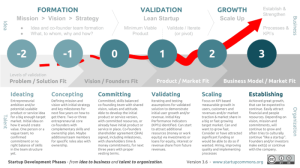
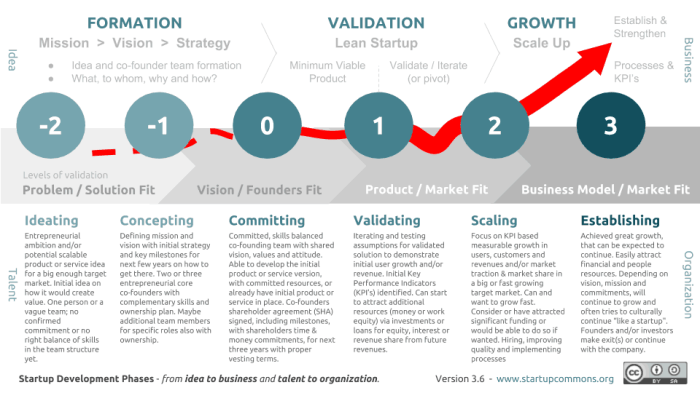
Startup business development typically progresses through several key stages, each presenting unique challenges.
Seed Stage
This initial stage focuses on developing the core business idea, creating a minimum viable product (MVP), and securing seed funding. Challenges include validating the business model, assembling a strong founding team, and managing limited resources effectively. A common example is a technology startup spending its initial funding on developing a functional prototype and testing its market appeal.
Growth Stage
Once the MVP achieves product-market fit and demonstrates traction, the startup enters the growth stage. This involves scaling operations, expanding the team, and increasing market penetration. Challenges at this stage include managing rapid growth, securing additional funding, and maintaining product quality while increasing production. For example, a successful food delivery app might face challenges in scaling its delivery network and managing customer service as its user base grows exponentially.
Maturity Stage
If the startup successfully navigates the growth stage, it may reach a point of maturity, characterized by stable revenue streams, a strong market position, and potentially an IPO or acquisition. The challenges here include maintaining innovation, adapting to changing market dynamics, and managing a larger, more complex organization. A company like Slack, after achieving significant market share, faces the challenge of continuous innovation to stay ahead of competitors and retain its user base.
The Role of Pivoting
It is crucial to understand that startups often need to pivot—meaning adjusting their business model or product strategy—in response to market feedback or unforeseen circumstances. This adaptability is a defining characteristic of successful startups. For example, a social media platform might pivot its strategy after analyzing user data and identifying a niche market that offers higher engagement and growth potential.
Funding and Financial Strategies for Startups
Securing funding and implementing sound financial strategies are critical for startup success. A well-defined financial plan, coupled with a suitable funding approach, can significantly impact a startup’s trajectory, determining its ability to scale, innovate, and ultimately thrive. Understanding the various funding options and their implications is paramount for navigating the early stages of business development.
Funding Options for Startups
Startups have access to a variety of funding sources, each with its own advantages and disadvantages. The optimal choice depends on factors such as the startup’s stage, industry, risk profile, and the founder’s personal resources.
- Bootstrapping: This involves funding the business using personal savings, revenue generated from sales, and cost-cutting measures. It offers complete control and avoids dilution of ownership but can limit growth potential due to restricted capital.
- Angel Investors: High-net-worth individuals who invest their personal capital in early-stage companies in exchange for equity. Angel investors offer not only capital but also mentorship and industry connections. However, securing angel investment can be competitive and may involve relinquishing some ownership.
- Venture Capital (VC): VC firms invest larger sums of money in startups with high growth potential. They provide significant capital but typically demand a larger equity stake and exert more influence on the company’s direction. VC funding is generally suitable for startups with scalable business models and a clear path to significant returns.
- Small Business Loans: Banks and credit unions offer loans to startups, but securing approval can be challenging, particularly for new businesses with limited credit history. Loans provide debt financing, which doesn’t dilute ownership, but it necessitates repayment with interest.
- Crowdfunding: Platforms like Kickstarter and Indiegogo allow startups to raise funds from a large number of individuals through online campaigns. Crowdfunding can build brand awareness and generate early customer engagement, but it relies on successfully engaging potential backers and fulfilling promises.
Comparison of Funding Methods
The table below summarizes the key advantages and disadvantages of the funding options discussed above.
| Funding Method | Advantages | Disadvantages |
|---|---|---|
| Bootstrapping | Complete control, no dilution of ownership | Limited growth potential, slow expansion |
| Angel Investors | Capital, mentorship, network access | Equity dilution, potential loss of control |
| Venture Capital | Significant capital, expertise, strategic guidance | High equity dilution, significant influence from investors |
| Small Business Loans | No equity dilution, predictable repayment schedule | Difficult to secure, interest payments, debt burden |
| Crowdfunding | Brand awareness, early customer engagement, no equity dilution (rewards-based) | Reliance on successful campaign, fulfillment challenges, potential for unmet goals |
Sample Financial Model for a Hypothetical Startup
Let’s consider “GreenThumb,” a startup offering subscription boxes for indoor gardening. This model illustrates key financial metrics for the first three years. Note that these figures are simplified for illustrative purposes.
| Year | Revenue | Cost of Goods Sold (COGS) | Gross Profit | Operating Expenses | Net Income |
|---|---|---|---|---|---|
| 1 | $50,000 | $20,000 | $30,000 | $25,000 | $5,000 |
| 2 | $150,000 | $60,000 | $90,000 | $70,000 | $20,000 |
| 3 | $300,000 | $120,000 | $180,000 | $130,000 | $50,000 |
Key Financial Metrics: Revenue, COGS, Gross Profit, Operating Expenses, Net Income. These metrics provide a snapshot of the company’s financial health.
Cash Flow Management Strategies for Startups
Effective cash flow management is crucial for startup survival. Strategies include:
- Accurate Forecasting: Develop realistic sales forecasts and expense budgets to anticipate cash needs.
- Invoice Promptly: Ensure timely invoicing to clients and pursue outstanding payments diligently.
- Negotiate Favorable Payment Terms: Seek extended payment terms from suppliers to improve cash flow.
- Control Spending: Prioritize essential expenses and minimize unnecessary costs.
- Explore Financing Options: Consider short-term financing options like lines of credit to bridge cash flow gaps.
Marketing and Sales Strategies for Startups
Successfully launching a technology startup requires a robust and adaptable marketing and sales strategy. This strategy must account for limited resources, a need for rapid growth, and the often-uncertain nature of the market. A well-defined plan, focusing on early adoption and building strong brand recognition, is crucial for survival and scaling.
Developing a Comprehensive Marketing Plan for a New Technology Startup
A comprehensive marketing plan for a new technology startup should begin with a thorough understanding of the target audience, the competitive landscape, and the unique value proposition of the product or service. This plan should then Artikel specific marketing objectives, strategies, tactics, and key performance indicators (KPIs). For example, a startup developing a new AI-powered customer service platform might target businesses with high customer service volumes and aim to acquire 100 paying customers within the first six months.
The plan would detail how this would be achieved through a combination of content marketing (blog posts, case studies, webinars), social media marketing (targeted advertising on LinkedIn and Twitter), and public relations (press releases, media outreach). Regular monitoring of KPIs, such as website traffic, lead generation, and customer acquisition cost, allows for necessary adjustments and ensures the plan remains effective.
Designing a Sales Strategy Focusing on Building Relationships with Early Adopters
Building relationships with early adopters is paramount for a technology startup. These individuals are often tech-savvy, risk-tolerant, and willing to provide valuable feedback. A sales strategy should prioritize identifying and engaging with these early adopters through personalized outreach. This could involve attending industry events, participating in online forums and communities, and directly contacting potential customers via email or social media.
Building trust and rapport is key, and this requires actively listening to customer needs and providing exceptional support. Offering early-access programs or beta testing opportunities can further incentivize early adoption and generate valuable feedback for product improvement. For instance, a startup launching a new collaborative software could offer free access to a select group of beta testers in exchange for feedback, helping refine the product before a wider release.
Comparing and Contrasting Different Marketing Channels for Startups
Startups must carefully evaluate different marketing channels based on their limited budgets and resources. Social media marketing offers cost-effective reach to targeted audiences, but organic reach can be challenging. Paid advertising on platforms like Google Ads and social media provides greater control and reach but requires careful budget management. Content marketing, through blog posts, white papers, and case studies, builds credibility and attracts organic traffic over time, but requires consistent effort and high-quality content.
Each channel has its strengths and weaknesses; a balanced approach is often most effective. For example, a startup might leverage content marketing to build brand awareness, paid advertising to drive immediate leads, and social media to engage with potential customers and build community.
Elaborating on the Importance of Branding and Messaging in the Startup Context
Strong branding and clear messaging are crucial for a startup’s success. Branding differentiates the startup from competitors and creates a recognizable identity. Clear messaging effectively communicates the value proposition to the target audience, highlighting the unique benefits and solving a specific problem. A well-defined brand identity, including logo, color palette, and tone of voice, consistently applied across all marketing materials, helps build recognition and trust.
For instance, a startup focused on sustainability might use earthy tones and eco-friendly imagery in its branding to reflect its values and resonate with environmentally conscious consumers. Consistent messaging across all channels reinforces the brand’s identity and ensures a cohesive customer experience. This creates a unified brand image and ensures that all communications speak with one voice.
Team Building and Management in Startups
Building a strong team is crucial for startup success. A cohesive, high-performing team can navigate challenges, innovate effectively, and ultimately drive growth. Conversely, team dysfunction can quickly derail even the most promising venture. This section explores key aspects of team building and management specifically within the dynamic and often demanding environment of a startup.
Best Practices for Building a High-Performing Team
Creating a high-performing team requires a strategic approach that goes beyond simply hiring talented individuals. It involves fostering a culture of collaboration, shared purpose, and mutual respect. Effective communication is paramount, ensuring everyone is aligned on goals and understands their roles. Regular feedback, both positive and constructive, is essential for continuous improvement and individual growth. Furthermore, providing opportunities for professional development demonstrates a commitment to employee growth and enhances team morale.
A strong team leader who can effectively motivate and mentor the team is also a critical factor. Consider implementing team-building activities to foster camaraderie and improve interpersonal dynamics. For example, regular team lunches or off-site events can help build relationships and strengthen team cohesion.
Strategies for Attracting and Retaining Top Talent
The competitive landscape for attracting and retaining top talent is fierce, particularly in the tech industry. Startups often compete with established corporations offering higher salaries and more established benefits packages. To counteract this, startups must emphasize other aspects of their employee value proposition. This might include offering equity or stock options, allowing for greater autonomy and responsibility, and providing a dynamic and challenging work environment.
A strong company culture focused on innovation, collaboration, and work-life balance can be a significant draw. Furthermore, offering competitive compensation and benefits, while perhaps not matching larger corporations, must still be considered. Regular performance reviews and opportunities for career advancement also play a crucial role in retaining top performers. For instance, a startup might offer a clear career progression path, outlining opportunities for promotion and skill development within the company.
Effective Methods for Delegating Tasks and Responsibilities
Effective delegation is essential for scaling a startup. It’s not just about assigning tasks; it’s about empowering team members to take ownership and develop their skills. Clearly defined roles and responsibilities are critical. This often involves creating detailed job descriptions and regularly reviewing progress. Delegation should be based on individual strengths and capabilities, ensuring that tasks are aligned with team members’ skills and interests.
Providing adequate training and support is crucial for successful delegation. Regular check-ins and feedback mechanisms help ensure tasks are completed efficiently and effectively. Furthermore, fostering a culture of trust and accountability is key to successful delegation. For example, a startup leader might establish a system of regular progress reports and open communication channels to ensure team members feel supported and empowered.
Organizational Structures Suitable for Different Stages of Startup Growth
The optimal organizational structure for a startup evolves as it grows. In the early stages, a flat, hierarchical structure with minimal bureaucracy is often preferred. This allows for rapid decision-making and greater flexibility. As the startup scales, a more formal structure may be necessary, possibly incorporating functional departments (e.g., marketing, sales, engineering). This allows for greater specialization and efficiency.
However, it’s crucial to maintain a balance between structure and agility. A matrix structure, combining functional and project-based teams, can be effective in managing complex projects while maintaining flexibility. For instance, a rapidly growing startup might transition from a flat structure with everyone reporting to the CEO to a structure with functional managers overseeing specific teams, while still maintaining open communication and collaboration across departments.
The key is to choose a structure that supports the company’s growth trajectory while maintaining its core values and culture.
Legal and Regulatory Aspects of Startup Business Development
Navigating the legal landscape is crucial for any startup’s success. A strong legal foundation protects your intellectual property, ensures compliance with regulations, and minimizes potential risks, ultimately contributing to long-term viability and growth. Ignoring these aspects can lead to significant financial and operational setbacks.Establishing a robust legal framework from the outset is paramount. This involves understanding key legal considerations, choosing the right business structure, and securing necessary permits and licenses.
Proactive legal planning empowers startups to focus on innovation and expansion rather than reacting to unforeseen legal challenges.
Intellectual Property Protection
Protecting your startup’s intellectual property (IP) is vital. This encompasses various forms of IP, including patents (for inventions), trademarks (for brand names and logos), and copyrights (for creative works). A comprehensive IP strategy involves identifying your valuable IP assets, registering them appropriately, and enforcing your rights against infringement. Failing to protect your IP can leave your startup vulnerable to competitors and potentially lead to significant financial losses.
For example, a tech startup developing a unique algorithm should immediately seek patent protection to prevent competitors from replicating its core technology. Similarly, a fashion brand needs to trademark its logo and unique designs to maintain brand identity and prevent counterfeiting.
Compliance Regulations
Startups must adhere to a range of regulations depending on their industry and location. These regulations can cover areas such as data privacy (GDPR, CCPA), consumer protection, environmental regulations, and employment laws. Non-compliance can result in hefty fines, legal battles, and reputational damage. A thorough understanding of applicable regulations is essential for operational compliance and risk mitigation. For instance, a food startup needs to comply with stringent food safety regulations, while a fintech startup must adhere to strict financial regulations and data privacy laws.
Regular legal counsel can help navigate these complex regulatory landscapes.
Choosing a Business Legal Structure
The choice of legal structure significantly impacts a startup’s liability, taxation, and administrative burden. Common structures include sole proprietorships, partnerships, limited liability companies (LLCs), and corporations. Each structure offers different levels of liability protection and tax implications. The optimal structure depends on the specific needs and goals of the startup. For example, an LLC offers limited liability protection, shielding personal assets from business debts, while a corporation provides more complex structure and potential for raising capital through stock issuance.
Consulting with legal and financial professionals is crucial to select the most appropriate structure.
Securing Necessary Licenses and Permits
Depending on the industry and location, startups need to obtain various licenses and permits to operate legally. These may include business licenses, operating permits, professional licenses, and industry-specific permits. Failure to obtain necessary permits can result in legal penalties and operational disruptions. The process of obtaining licenses and permits often involves completing applications, paying fees, and meeting specific requirements.
For example, a restaurant requires food service permits and licenses, while a construction company needs various permits related to building codes and safety regulations. Researching and securing these permits well in advance of launching operations is crucial for smooth startup operations.
Business Development, Ethics, and Coaching
Building a successful startup requires more than just a great idea and a solid business plan. Ethical considerations and effective coaching are crucial components for long-term growth and sustainability. Navigating the complexities of business development while maintaining integrity and fostering a positive team environment is essential for achieving both short-term goals and lasting success.Ethical Considerations in Business Development
Ethical Decision-Making in Startup Development
Ethical considerations permeate every aspect of startup development, from fundraising and marketing to product development and customer relations. Transparency and honesty are paramount. For instance, overpromising potential returns to investors or misleading customers about product capabilities can severely damage a company’s reputation and future prospects. Similarly, prioritizing short-term profits over long-term sustainability can lead to unsustainable business practices and ethical violations.
A strong ethical framework, clearly articulated and consistently applied, is vital for guiding decision-making at every stage of the startup journey.
Examples of Ethical Dilemmas and Solutions
Startups often face difficult ethical choices. Consider a scenario where a startup discovers a critical flaw in its product after launch. The ethical dilemma lies in deciding whether to immediately recall the product, potentially incurring significant financial losses, or to attempt a silent fix with the risk of further reputational damage. A transparent and proactive approach, communicating the issue openly with customers and offering a fair solution, would generally be the most ethical course of action.
Another example: a startup might face pressure to cut corners on quality or safety to reduce costs. However, prioritizing ethical production and safety standards, even if it means higher initial costs, is vital for maintaining customer trust and avoiding potential legal liabilities. Prioritizing ethical decision-making is ultimately an investment in the company’s long-term reputation and success.
The Role of a Business Coach
A business coach acts as a mentor and advisor, providing guidance and support to startup founders. They offer a fresh perspective, helping founders identify blind spots, overcome challenges, and make strategic decisions. Coaches can help founders refine their vision, develop effective leadership skills, and build strong teams. Beyond providing strategic guidance, a coach also helps founders manage stress and maintain a healthy work-life balance, crucial for navigating the demanding world of startup entrepreneurship.
The relationship between coach and founder is based on trust and mutual respect, with the coach providing objective feedback and support tailored to the founder’s specific needs and circumstances.
Business Coaching Methodologies
Several business coaching methodologies exist, each with its own approach and focus. Some coaches utilize a goal-oriented approach, working with founders to establish clear goals and develop action plans to achieve them. Others may focus on leadership development, helping founders improve their communication, delegation, and decision-making skills. Some methodologies emphasize personal development, helping founders address personal challenges that may be impacting their business performance.
The choice of methodology often depends on the founder’s individual needs and preferences, as well as the specific challenges facing the startup. A coach may even integrate elements from several methodologies to create a customized coaching plan.
Business Loans and Models
Securing funding is a critical step for any startup, and understanding the various financing options available is crucial for success. This section explores different types of business loans and provides a framework for developing a robust business model, essential for attracting investors and ensuring long-term viability. We will also examine the connection between a well-defined business model and securing funding.
Types of Business Loans for Startups
Startups have access to a range of loan options, each with its own set of terms and conditions. Choosing the right loan depends on factors such as the startup’s stage of development, creditworthiness, and the intended use of funds. Common types include:
| Loan Type | Interest Rate | Repayment Terms | Eligibility Criteria |
|---|---|---|---|
| Small Business Administration (SBA) Loans | Generally lower than conventional loans, varies by lender and program | Varies, typically longer than conventional loans | Good credit history, viable business plan, collateral may be required |
| Term Loans | Variable, depends on creditworthiness and market conditions | Fixed repayment schedule over a set period | Good credit history, established business (often requires operating history), collateral may be required |
| Lines of Credit | Variable, depends on creditworthiness and market conditions | Repay only what you borrow, interest charged on outstanding balance | Good credit history, established business (often requires operating history) |
| Microloans | Generally higher than other loan types | Shorter repayment terms | Often geared towards startups with limited credit history, may require strong business plan |
Business Model Canvas for a Sustainable Energy Startup
A well-defined business model canvas is essential for any startup, particularly in a rapidly evolving sector like sustainable energy. The canvas provides a visual representation of the key components of the business, enabling a clear understanding of its value proposition, target market, and revenue streams.Let’s consider a hypothetical startup, “SolarShine,” specializing in residential solar panel installation and maintenance. Their business model canvas might look like this:* Customer Segments: Homeowners seeking to reduce their carbon footprint and energy bills.
Value Propositions
Cost savings on energy bills, environmental benefits, increased home value, reliable service and maintenance.
Channels
Online marketing (website, social media), partnerships with real estate agents, local community events.
Customer Relationships
Personalized consultations, ongoing technical support, loyalty programs.
Revenue Streams
Installation fees, maintenance contracts, government incentives (e.g., tax credits).
Key Activities
Solar panel installation, system maintenance, customer service, marketing and sales.
Key Resources
Skilled technicians, solar panels and equipment, strong supplier relationships.
Key Partnerships
Solar panel manufacturers, financing providers, local electricians.
Cost Structure
Labor costs, materials, marketing expenses, administrative overhead.
The Importance of a Well-Defined Business Model for Securing Funding
A clearly articulated business model is crucial for attracting investors and securing funding. Investors need to understand how a startup plans to generate revenue, achieve profitability, and scale its operations. A well-defined business model demonstrates a clear understanding of the market, the competitive landscape, and the startup’s path to success. It reduces risk for investors and increases their confidence in the startup’s potential.
For example, a startup with a robust business model showing strong market demand, a clear path to profitability, and a defensible competitive advantage will be far more attractive to investors than one lacking a clear vision. A well-structured pitch deck, incorporating a compelling business model canvas, significantly enhances the likelihood of securing funding.
Business Strategy and Travel
Expanding a startup internationally requires a robust and well-defined business strategy that accounts for cultural nuances, regulatory differences, and market-specific demands. Success hinges on a thorough understanding of the target market and a proactive approach to navigating the complexities of global business. This includes careful consideration of logistical factors and the crucial role of personal interaction in forging vital business relationships.International expansion necessitates a strategic approach that goes beyond simply replicating a domestic business model.
It requires adaptability, thorough market research, and a deep understanding of the local competitive landscape. A successful international business strategy will carefully consider factors such as market size and potential, cultural sensitivities, regulatory frameworks, logistical challenges, and the potential for long-term growth and profitability. Ignoring any of these factors can lead to significant setbacks and ultimately, failure.
Key Factors in Developing an International Business Strategy
A successful international business strategy hinges on several key considerations. These include conducting thorough market research to understand consumer preferences and competitive dynamics within the target market. This research should inform decisions about product adaptation, pricing strategies, and marketing approaches. Furthermore, a deep understanding of the local regulatory environment is essential to ensure compliance and avoid legal pitfalls.
Logistical considerations, such as supply chain management and distribution networks, must also be carefully planned. Finally, a robust financial model that accounts for currency fluctuations and potential risks is crucial for ensuring the long-term viability of the international venture.
The Role of Business Travel in Building Relationships and Closing Deals
Business travel plays a vital role in fostering strong relationships and closing deals in international markets. Face-to-face interactions are invaluable in building trust and rapport with potential partners, clients, and investors. These in-person meetings allow for a more nuanced understanding of cultural contexts and business practices, which can be difficult to achieve through virtual communication. Furthermore, business travel provides opportunities for networking and exploring potential collaborations that might not otherwise emerge.
The ability to build personal connections and demonstrate a genuine commitment to the international market is often crucial in securing deals and establishing long-term partnerships. For example, a tech startup aiming to expand into Japan might find that building personal relationships with key distributors is critical to securing market entry.
Sample Itinerary for a Business Trip to Tokyo, Japan
This itinerary focuses on a three-day business trip to Tokyo for a hypothetical US-based software startup seeking to establish partnerships with Japanese distributors.
| Day | Time | Activity | Location | Notes |
|---|---|---|---|---|
| Day 1 | 9:00 AM | Meeting with potential distributor, Tanaka Corp. | Tanaka Corp. Offices, Shinjuku | Presentation of software and discussion of partnership opportunities. |
| 12:00 PM | Lunch with Tanaka Corp. executives | Restaurant in Shinjuku | Informal setting to build rapport. | |
| 2:00 PM | Visit to a major electronics retailer | Yodobashi Camera, Akihabara | Market research and competitor analysis. | |
| Day 2 | 9:00 AM | Meeting with representatives from a Japanese software association | Industry Association Offices, Minato | Networking and information gathering. |
| 1:00 PM | Lunch with industry contacts | Restaurant in Minato | Further networking and relationship building. | |
| 3:00 PM | Site visit to a potential partner’s facility | Partner’s facility, Koto | Assessment of infrastructure and capabilities. | |
| Day 3 | 9:00 AM | Follow-up meetings and final negotiations with Tanaka Corp. | Tanaka Corp. Offices, Shinjuku | Finalize partnership agreement. |
| 12:00 PM | Departure from Tokyo | Narita International Airport |
Ultimately, successful startup business development hinges on a holistic strategy that integrates financial planning, innovative marketing, effective team management, and a robust legal framework. By understanding the nuances of each stage, from initial ideation to scaling operations, entrepreneurs can position their ventures for sustained growth and long-term success. The journey is demanding, but with careful planning, adaptability, and a clear vision, the rewards can be substantial.
Remember that continuous learning, adaptation, and seeking expert guidance are crucial elements in this ever-evolving landscape.
Questions Often Asked
What is the most common cause of startup failure?
Lack of market need or poor execution are frequently cited as major reasons for startup failure. Insufficient funding and inadequate team management also play significant roles.
How long does it typically take to build a successful startup?
There’s no set timeframe. Success depends on various factors, including market conditions, business model, execution, and funding. Some startups achieve rapid growth, while others require more time.
What is the role of a business incubator or accelerator?
Incubators and accelerators provide startups with mentorship, resources, networking opportunities, and often seed funding to help them grow and scale more quickly.
How important is intellectual property protection for a startup?
It’s crucial. Protecting your intellectual property (patents, trademarks, copyrights) is vital for safeguarding your business’s unique assets and competitive advantage.